


page 1 of 7 |
Next > |
Submodule 2: Where Invasive Plants Are Found
More About Western Rangeland Invasive Plants
Several western governors and other government officials have over the past several years been sounding the alarm because of the invasion of noxious weeds on valuable western rangeland. It is encouraging that many officials recognize the devastation that can be caused by invasive rangeland weeds, although additional support for weed management programs is crucial. Those influencing the allocation of resources to manage these plants need to have an in-depth understanding of the problem. In addition, it is crucial that we who elect public officials are aware of the problem and of those candidates who understand the problem. Education of governmental officials, agency personnel, and the public is key.
Plants growing on western rangelands (and in fact all plants) have several basic resources necessary to sustain life including:
- Light and carbon dioxide for photosynthesis
- Oxygen for normal functioning of every living cell
- Water for growth, structure, and as a medium for all chemical reactions in living cells.
- Nutrients from the soil: nitrogen (N), Potassium (K), calcium (Ca), Phosphorous (P), Magnesium (Mg), and Sulfur (S), Iron (Fe), Chlorine (Cl), Copper (Cu), Manganese (Mn), Zinc (Zn), Molybdenum (Mo), and Boron (B)
In fact, western rangelands generally have an abundant supply of light, carbon dioxide, oxygen, and some nutrients (but this varies widely depending on location). Water is often a limiting resource in addition to some nutrients. Native rangeland plants have, over the course of time, adapted to conditions on western rangelands. Invasive plants found in the western U.S. grow primarily in areas that are similar to their native habitats.
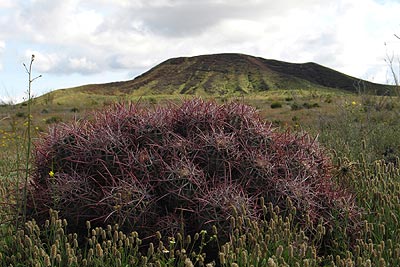
(photo courtesy John Hays)
page 1 of 7 |
Next > |